Make an Appointment

Edit Template

Author name: edwardannan75@gmail.com

Construction Safety

10 Essential Safety Tips Every Home Builder Should Know

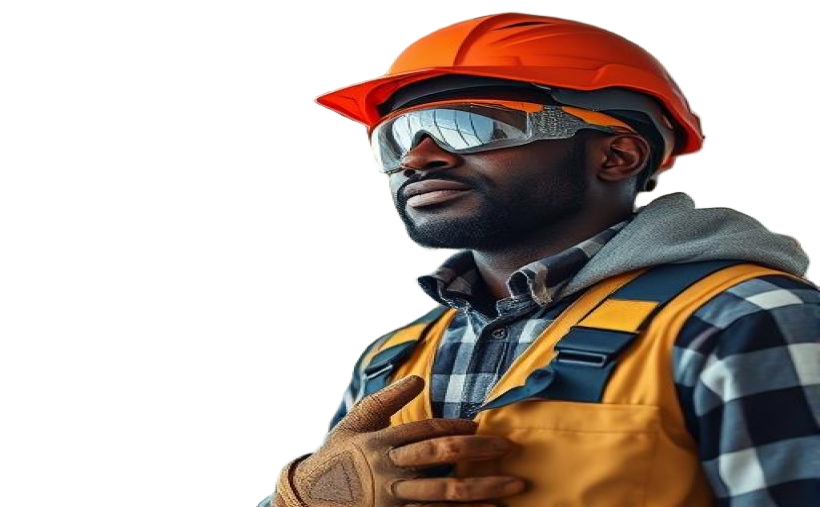
Building a home can be an exciting journey, but it’s also a process that requires vigilance and commitment to safety at every stage. Construction sites can be hazardous environments for both workers and homeowners if safety protocols aren’t strictly followed. Here are 10 essential safety tips to ensure a safe construction process from start to finish. Thorough Site Preparation Safety begins with a well-prepared site. Conduct a comprehensive risk assessment to identify potential hazards, like uneven terrain, nearby power lines, or water sources that could pose dangers. Make sure to clear debris, level the ground where necessary, and mark boundaries and restricted zones to keep workers aware of the areas where they should tread carefully. Secure Perimeters and Warning Signs To ensure everyone on-site understands the areas they’re allowed to enter, establish clear boundaries with secure fencing and install appropriate signage. Mark high-risk zones, such as areas near heavy machinery or places where falling debris is a risk. Proper signage and perimeters also keep unauthorized individuals, including curious children or pets, away from potential hazards. Provide Personal Protective Equipment (PPE) Every worker should have the appropriate personal protective equipment (PPE) for their role. Basic PPE items include hard hats, safety goggles, gloves, reflective vests, and steel-toed boots. Make sure workers understand how to use and maintain their PPE, as well as when each piece of equipment is necessary, from respiratory protection for dust-filled areas to ear protection around loud machinery. Training and Safety Briefings Prior to the start of any project, conduct safety training sessions to ensure everyone understands the protocols and can recognize site hazards. Daily briefings at the start of each workday are also essential to update the team on current risks, changes in site conditions, or any new equipment that may require special handling. Continuous training and communication help reinforce a safety-first mindset. Correct Use of Equipment Heavy machinery and power tools are essential for construction, but improper use can lead to serious accidents. Only qualified personnel should operate heavy equipment, and everyone should be trained on the proper techniques for handling tools. Check all equipment regularly for signs of wear or malfunction and ensure it’s well-maintained. Make sure tools are always stored safely when not in use to avoid tripping or accidental use. Proper Handling of Hazardous Materials Many construction projects involve the use of hazardous materials, such as chemicals, adhesives, or asbestos. It’s vital that these materials are stored, labeled, and handled correctly. Educate workers on the risks associated with each material and the necessary precautions, such as ventilation, containment, and disposal procedures. Have spill kits on hand and ensure proper disposal of hazardous materials in line with local regulations. Establish a Clear Emergency Plan Every construction site needs a well-documented emergency response plan that covers scenarios like fires, severe weather, and medical emergencies. Identify evacuation routes, assembly points, and the location of first aid kits and fire extinguishers. Ensure that all workers know whom to contact and the steps to follow in an emergency to reduce confusion and enhance safety. Regular Inspections and Hazard Monitoring Even with all precautions in place, conditions on a construction site can change rapidly. Perform regular site inspections to identify and address new hazards, such as spills, damaged equipment, or structural instability. Assign a safety officer to conduct inspections and report findings so that everyone on-site is aware of new safety risks Fall Prevention and Ladder Safety Falls are one of the leading causes of injuries on construction sites. Equip workers with safety harnesses and secure scaffolding to prevent falls from heights. Properly secure ladders on level ground, and train workers on the safe use of ladders, including checking for stability and climbing carefully. Additionally, encourage workers to avoid leaning or overextending on ladders to maintain balance. Promote a Culture of Safety Perhaps the most critical aspect of construction safety is fostering a culture where safety comes first. Encourage workers to speak up if they notice a hazard, share safety reminders regularly, and reward adherence to safety protocols. Create an environment where every worker feels responsible for not only their safety but also the safety of those around them.   Safety is an ongoing commitment that requires constant vigilance and adaptation. By following these 10 essential tips, home builders can create a safer work environment that reduces the risk of accidents and ensures that everyone, from workers to homeowners, stays protected throughout the construction process.
Materials & Tools

How to Choose the Right Materials for a Strong and Safe Foundation

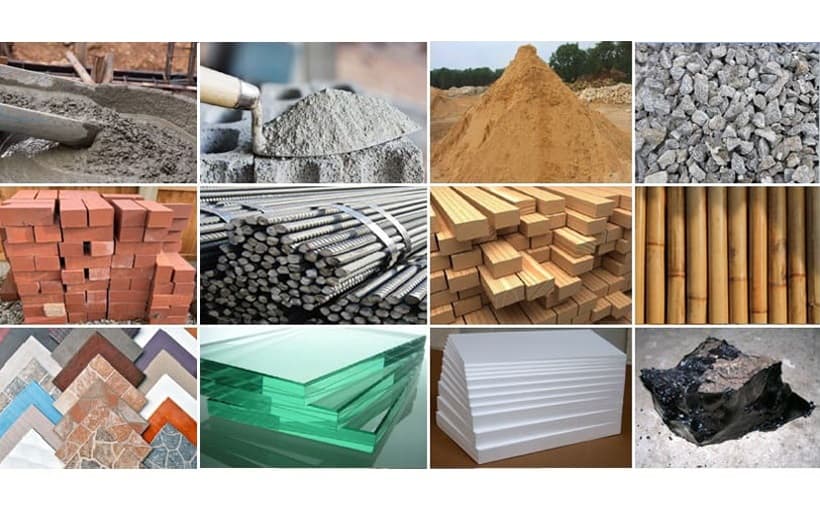
The foundation is one of the most critical elements of any building, as it supports the entire structure above it. Choosing the right materials is essential for ensuring durability, stability, and safety. In this guide, we’ll walk you through why quality materials matter and how to select materials that meet both structural and environmental standards. 1. Understand the Soil and Site Conditions Every foundation begins with a thorough understanding of the soil type, moisture levels, and climate. Different soils, like clay or sand, react differently to moisture and weight, which can affect the choice of materials. Before selecting any materials, conduct a soil test to identify the soil’s bearing capacity and characteristics, which will influence the type and depth of foundation needed. 2. Prioritize High-Quality Concrete Concrete is the backbone of most foundations due to its strength and durability. When selecting concrete, look for types that meet local building codes and standards. Consider the concrete’s compressive strength, which typically ranges between 3,000 and 5,000 psi for residential construction. Using high-quality, well-mixed concrete can significantly reduce the risk of cracks, shrinkage, and structural weakness. 3. Choose Reinforcement Materials Wisely Reinforcement materials like steel bars (rebar) add tensile strength to concrete, which naturally handles compression better than tension. High-quality rebar, treated for rust and corrosion resistance, is essential for maintaining the integrity of the foundation over time. Make sure the rebar used is compatible with the concrete and will not react adversely in the given soil conditions. 4. Evaluate Durability and Lifespan Durable materials reduce the need for repairs and maintenance over the years. Evaluate each material’s lifespan and its ability to withstand weathering and environmental conditions. Materials should be resistant to water infiltration, temperature fluctuations, and wear. A durable foundation not only supports the structure but also saves on long-term costs. 5. Check for Safety Standards and Certifications Ensure all materials comply with local and national safety standards. Look for certifications like ASTM (American Society for Testing and Materials) to verify quality and safety. Meeting these standards not only improves the foundation’s quality but also provides peace of mind knowing the materials are tested and approved. 6. Consider Environmental Impact and Sustainability The construction industry is moving toward greener practices, and foundations are no exception. Look for eco-friendly options like recycled aggregate concrete or materials sourced from sustainable sources. Reducing your environmental impact can also improve the overall sustainability of the building, as eco-friendly materials often contribute to better energy efficiency. 7. Assess Water Resistance and Drainage Compatibility A strong foundation must protect against water damage, which can lead to cracks and weakening. Use water-resistant materials and integrate drainage solutions, such as moisture barriers, to prevent water from seeping into the foundation. Proper drainage compatibility with the soil conditions will ensure the foundation remains dry and durable. 8. Factor in Load-Bearing Requirements Choose materials that can withstand the weight and size of the structure being built. For larger buildings, reinforced concrete, high-grade steel, or even pre-stressed concrete might be necessary. Consulting an engineer can help determine the load-bearing needs specific to your project and ensure that your materials meet those demands. 9. Understand Maintenance Needs Some materials require periodic maintenance to keep the foundation in top condition. Materials like treated wood, if used, need regular inspections to prevent rot or insect damage. Ensuring that the chosen materials have reasonable maintenance requirements can help keep long-term costs low and the foundation strong over time. 10. Consult with Professionals Foundations are complex, and each building’s foundation requires careful consideration. Working with a structural engineer or experienced contractor ensures that you’re making informed choices about materials that suit the site conditions, load requirements, and environmental factors. Their expertise can help you avoid costly mistakes and create a foundation built to last.

Construction Safety, DIY & Home Improvement

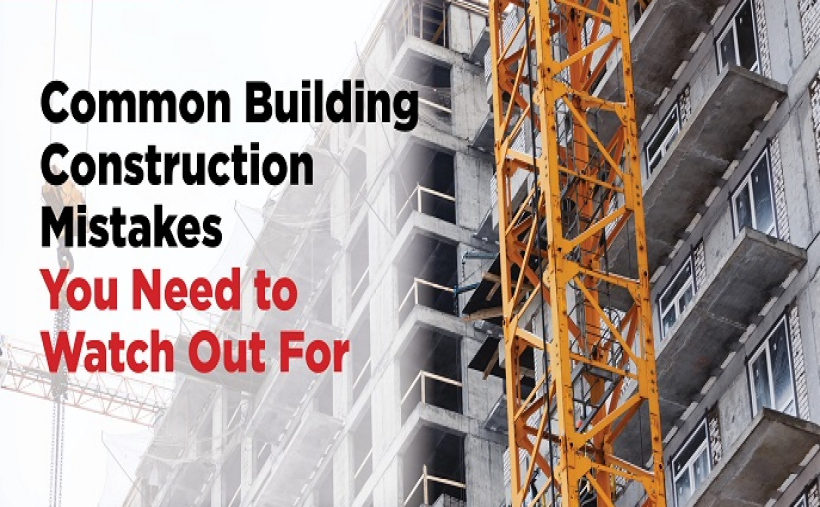
Avoiding Common Construction Mistakes: A Homeowner’s Guide

Building a home is an exciting journey, but it’s also one that requires careful attention to detail. Even small construction mistakes can have costly or even dangerous consequences. This guide highlights some common errors homeowners face and provides tips on how to avoid them by using the right processes and working with qualified professionals. 1. Skipping a Detailed Site Evaluation Every successful construction project starts with a thorough site evaluation. Ignoring this step can lead to foundation issues, poor drainage, and structural instability. Before any building begins, hire professionals to conduct soil testing and site assessments to understand potential risks, such as slope stability or soil type, which can affect the structure. 2. Not Setting a Clear Budget and Contingency Plan Failing to establish a realistic budget can lead to shortcuts in materials, labor, or design, resulting in a compromised build. Set a clear budget that includes a contingency plan (usually 10-20% extra) for unexpected expenses, ensuring you don’t compromise on safety or quality to cut costs. 3. Using Substandard Materials Choosing cheaper, low-quality materials may save in the short term but often leads to increased maintenance costs and safety risks. Always work with reputable suppliers and ensure all materials meet local building codes and quality standards. Investing in high-quality materials pays off in terms of durability and safety. 4. Skipping Necessary Permits and Inspections Permits and inspections are essential for ensuring that construction complies with safety standards and local building codes. Skipping them can lead to fines, delays, or worse—unsafe building practices. Always follow the permit process and work with contractors who prioritize safety inspections to prevent structural issues down the road. 5. Poor Foundation Preparation The foundation is critical to any building’s stability. Neglecting soil compaction, water drainage planning, or choosing the wrong foundation type can result in a weak structure that shifts, cracks, or even collapses. To avoid this, invest in proper foundation design and consult an engineer to ensure it’s suited to the soil and building type. 6. Ignoring Ventilation and Moisture Control Poor ventilation can lead to issues like mold growth, wood rot, and reduced air quality. During construction, ensure that ventilation systems are installed in moisture-prone areas, such as bathrooms and kitchens. Proper ventilation will not only improve air quality but also extend the life of your building materials. 7. Improper Electrical and Plumbing Installations Electrical and plumbing systems are crucial to the functionality and safety of a home. Common mistakes include incorrect wiring, overloaded circuits, and poor pipe connections. Always hire licensed professionals for these installations to prevent issues like leaks, electrical fires, or even structural damage. 8. Overlooking Load-Bearing Walls Modifying load-bearing walls without proper planning can lead to structural instability. Before making any changes, consult an engineer to ensure walls can support the intended weight or that adequate support is in place. Avoid DIY renovations on load-bearing walls unless under professional supervision. 9. Neglecting Energy Efficiency Energy efficiency is not only environmentally friendly but also saves money over time. Overlooking proper insulation, window placement, and efficient HVAC systems can lead to higher energy bills and poor comfort levels. Prioritize energy-efficient design to enhance the building’s sustainability and cost-effectiveness. 10. Not Hiring Qualified Professionals Perhaps the biggest mistake homeowners make is hiring unqualified or inexperienced contractors. Doing so increases the risk of errors that compromise the quality and safety of the construction. Take the time to research and select reputable professionals with experience in residential construction. Check references and ensure all professionals are licensed and insured. Avoiding these common construction mistakes can save time, money, and potential headaches. By understanding these pitfalls and working closely with qualified professionals, homeowners can ensure a smooth construction process that results in a safe, high-quality home.

DIY & Home Improvement

Top 5 Energy-Efficient Upgrades for New Homes

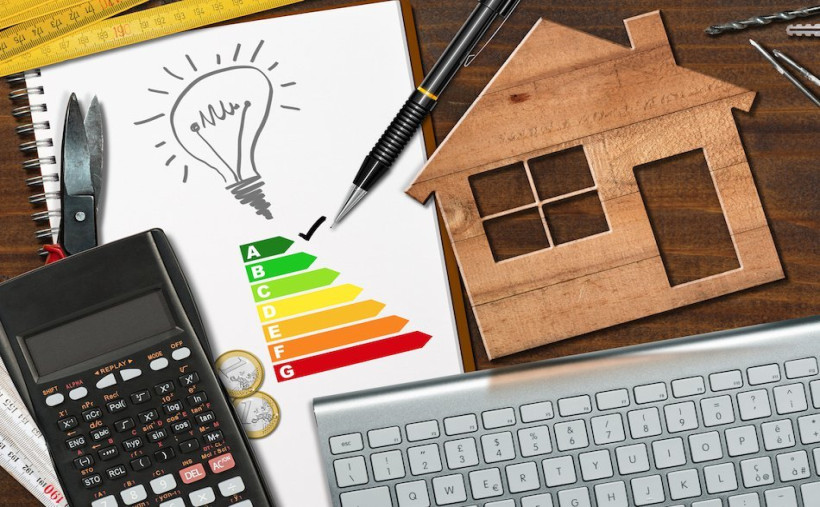
Building a new home is a perfect opportunity to incorporate energy-efficient upgrades that will save money and reduce environmental impact. Here are five essential upgrades that can make a significant difference: 1. Enhanced InsulationProper insulation is key to maintaining a comfortable temperature and reducing heating and cooling costs. Insulate walls, attics, and floors to prevent heat loss in the winter and keep your home cool in the summer. Look for materials like spray foam or cellulose, which provide high R-values and excellent thermal resistance. 2. Energy-Efficient Windows and DoorsWindows and doors are common sources of energy loss. Installing double or triple-pane windows with low-emissivity (low-E) coatings can help reduce heat transfer and maintain consistent indoor temperatures. Properly sealing and insulating doors further minimizes drafts. 3. Solar PowerSolar panels are an increasingly popular choice for homeowners who want to generate their own electricity. While they come with an upfront cost, they can drastically reduce your energy bills over time and may qualify you for tax credits or incentives. Consider solar batteries to store energy for use during cloudy days or at night. 4. Energy-Efficient HVAC SystemsHeating and cooling can account for a large portion of energy costs. Choose an HVAC system with a high Seasonal Energy Efficiency Ratio (SEER) rating and consider options like heat pumps, which can heat and cool efficiently. Also, installing programmable thermostats can help optimize energy use throughout the day. 5. LED Lighting and Smart ControlsSwitching to LED lighting throughout your home can reduce energy consumption, as LEDs use up to 80% less energy than traditional bulbs. Smart lighting controls allow you to manage lighting schedules, dimming, and motion detection, further optimizing energy use and saving on electricity bills.

Construction Safety, DIY & Home Improvement

Understanding Building Codes: What Every Homeowner Should Know

Building codes ensure that construction projects meet standards for safety, health, and structural integrity. For homeowners embarking on new builds or renovations, understanding building codes is crucial to avoid setbacks and potential fines. Here’s a breakdown of key elements: 1. Why Building Codes MatterBuilding codes are designed to protect homeowners and the community by enforcing safety, durability, and environmental standards. They ensure that homes are built to withstand natural events, such as storms or earthquakes, and prevent common hazards like fires or electrical faults. 2. Types of Building CodesCodes vary by location and may include structural, plumbing, electrical, and energy efficiency requirements. For example, local codes might dictate specific materials for load-bearing walls, pipe sizes, or required insulation levels based on climate. Familiarize yourself with the codes relevant to your area, as well as any regulations that might apply to specific home features. 3. The Permitting ProcessBefore beginning any construction project, you’ll need to obtain permits to confirm that your plans comply with local building codes. Permits are typically required for projects like additions, electrical upgrades, or roofing replacements. Working with a qualified contractor can help navigate the permit process efficiently. 4. Inspections and ComplianceOnce construction begins, periodic inspections will likely be required to ensure compliance with approved plans and codes. These inspections help catch potential safety or structural issues early, allowing for adjustments before they become costly mistakes. 5. Tips for HomeownersTo avoid delays and fines, work with licensed contractors familiar with local codes and ensure that all changes to your plans are documented and approved. Staying informed and involved in the permitting and inspection process can help keep your project on track.  

Materials & Tools

The Pros and Cons of Different Roofing Materials

Choosing the right roofing material is essential for both the appearance and functionality of your home. Here are the pros and cons of some popular roofing options: 1. Asphalt ShinglesPros: Affordable, easy to install, and available in a variety of colors and styles. Asphalt shingles work well in most climates and are relatively low maintenance.Cons: Shorter lifespan compared to other materials (typically 15-30 years). They’re not the most environmentally friendly and can be prone to damage from extreme weather conditions. 2. Metal RoofingPros: Durable, energy-efficient, and available in various styles. Metal roofs can last 50 years or more and are resistant to fire, rot, and insect damage. They also reflect heat, which can lower cooling costs in warmer climates.Cons: Higher initial cost and can be noisy during rain or hail without adequate insulation. Metal roofs may also dent with large impacts. 3. Clay or Concrete TilesPros: Extremely durable (can last 50-100 years), energy-efficient, and resistant to rot and insect damage. Clay tiles are especially popular in hot climates due to their natural cooling properties.Cons: Heavy and may require additional structural support. Installation can be costly, and tiles can be fragile if walked on, so regular maintenance requires care. 4. Wood Shingles and ShakesPros: Natural appearance and eco-friendly, often made from renewable sources like cedar. Wood shingles provide good insulation and are suitable for moderate climates.Cons: Require regular maintenance and can be prone to fire, rot, and insect damage if not treated. Lifespan is shorter than materials like metal or tile, especially in damp or harsh climates. 5. Slate RoofingPros: Extremely long-lasting (can exceed 100 years), beautiful, and highly resistant to fire and weathering. Slate is also environmentally friendly, as it’s a natural stone material.Cons: Expensive and heavy, often requiring reinforced support structures. Slate installation is specialized, so finding skilled professionals may be challenging and costly. Selecting the right roofing material depends on factors like budget, climate, and desired aesthetic. While some materials may have a higher upfront cost, their longevity and durability can lead to significant savings over time. Working with a roofing expert can help you weigh these options and choose a roof that’s well-suited to your home’s needs.

Ashmoph Construction and Logistics, located in Elmina, Cape Coast, is your trusted partner for high-quality building materials and expert construction services. Visit our online shop for top-grade products to bring your construction projects to life.

Need Help?

Useful Links

Online Shop

Company Info

© 2024 Created by RightEnd

Scroll to Top